5-Day Tanzania Safari
A private five-day safari from Arusha to the Ngorongoro Crater and Tarangire National Park, staying in mid-range lodges and tented camps.


A collapsed volcano with an intact rim, where grassland, swamp and a soda lake on the crater floor hold wildlife all year.
The crater is the collapsed cone of an old volcano, its walls still whole. You leave the rim at about 2,300 metres and drive down roughly 600 metres to a floor of grassland, swamp and a shallow soda lake.
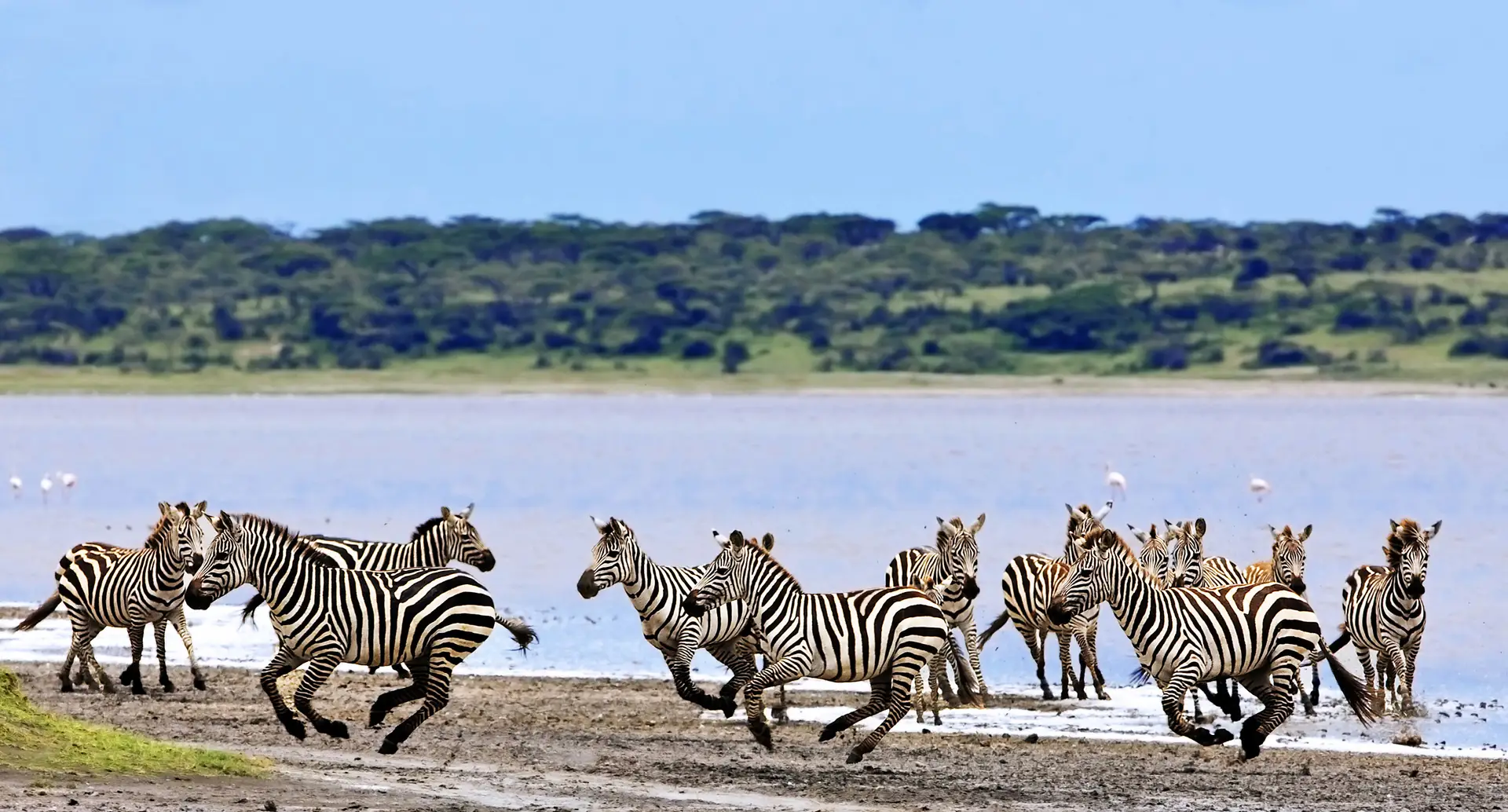
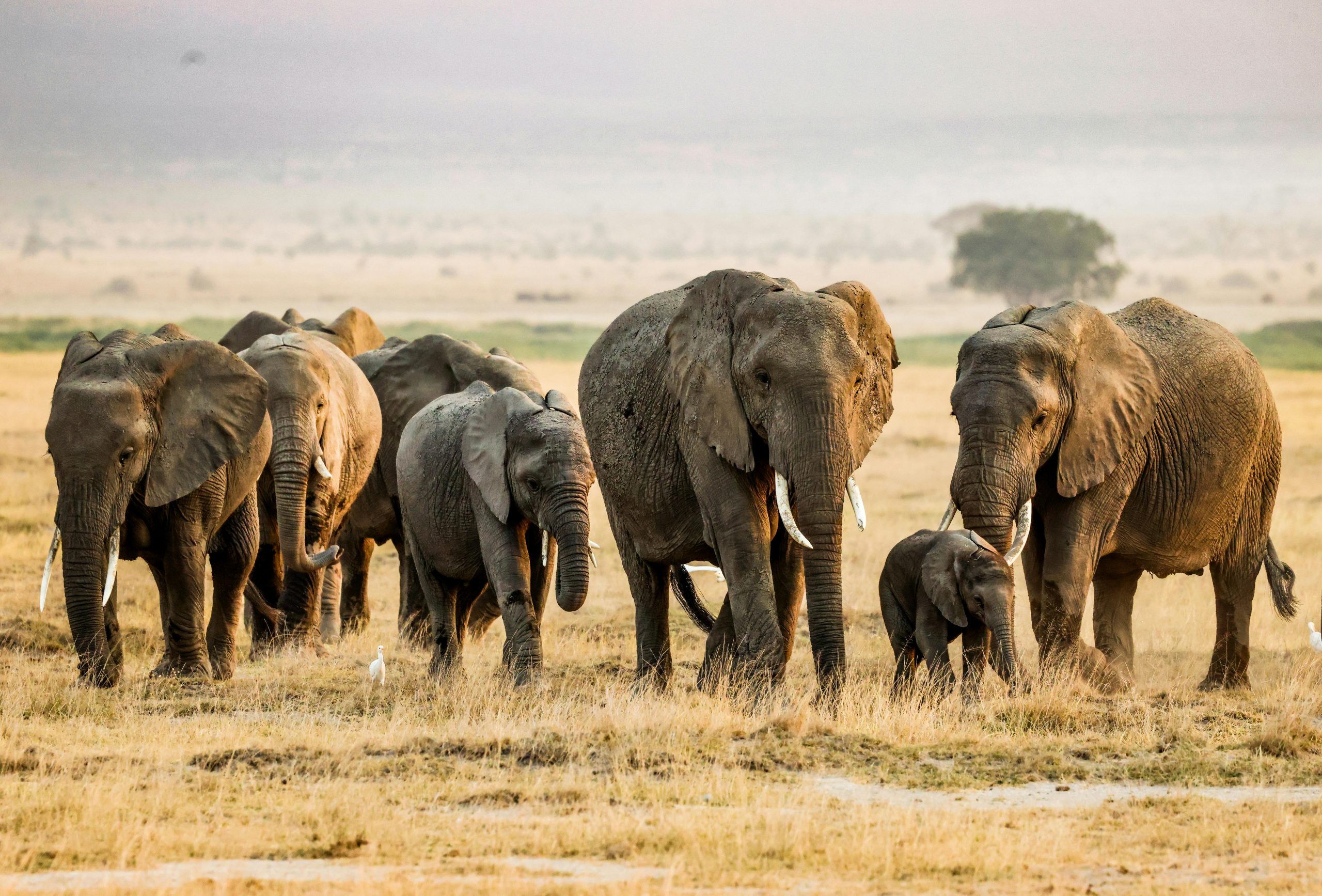
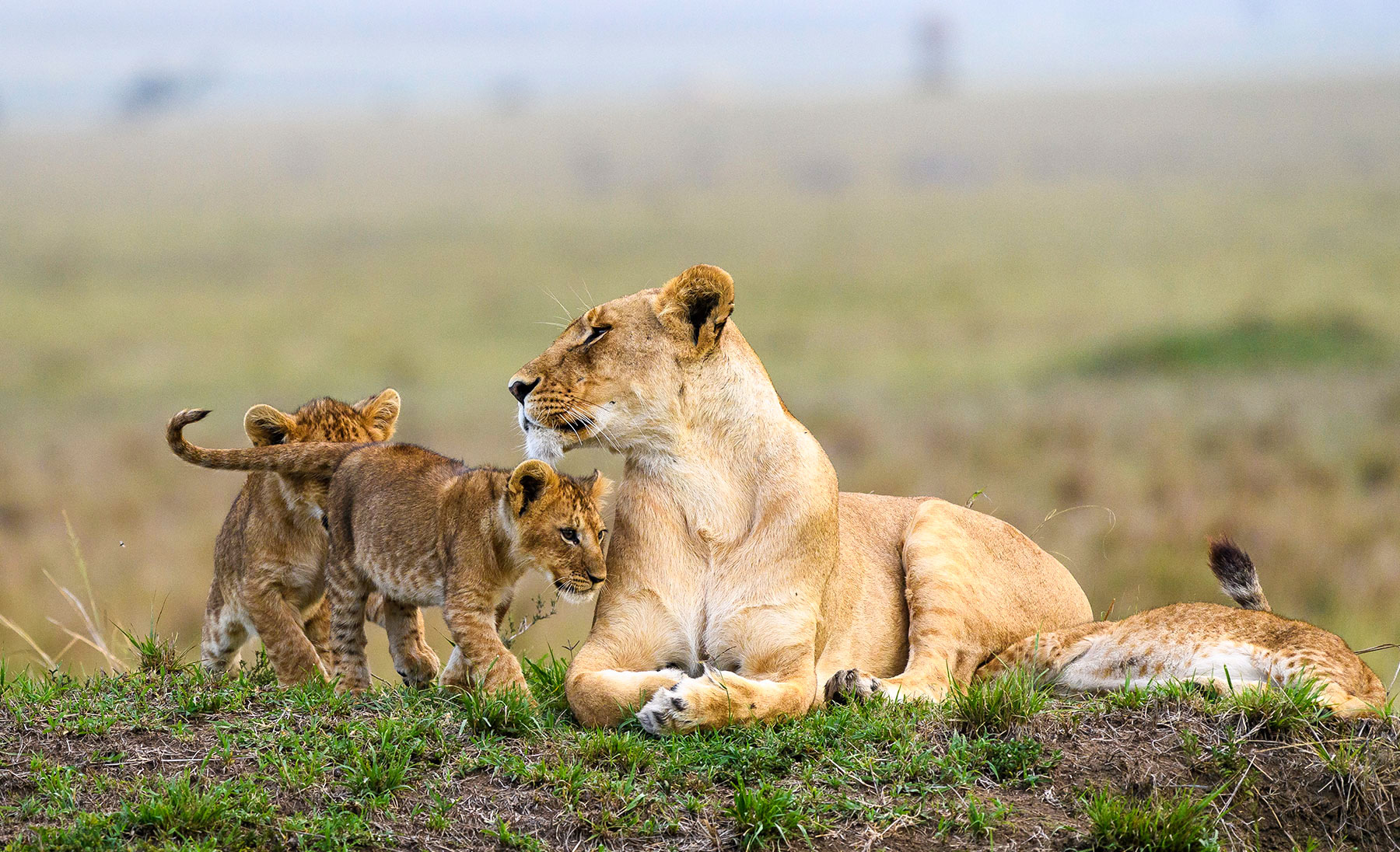
Because grass and water are there all year, the animals do not need to leave. Zebra, wildebeest, gazelle, buffalo, elephant and hippo graze the floor, lions follow them, and the crater is one of the few places in Tanzania where you may see black rhino.
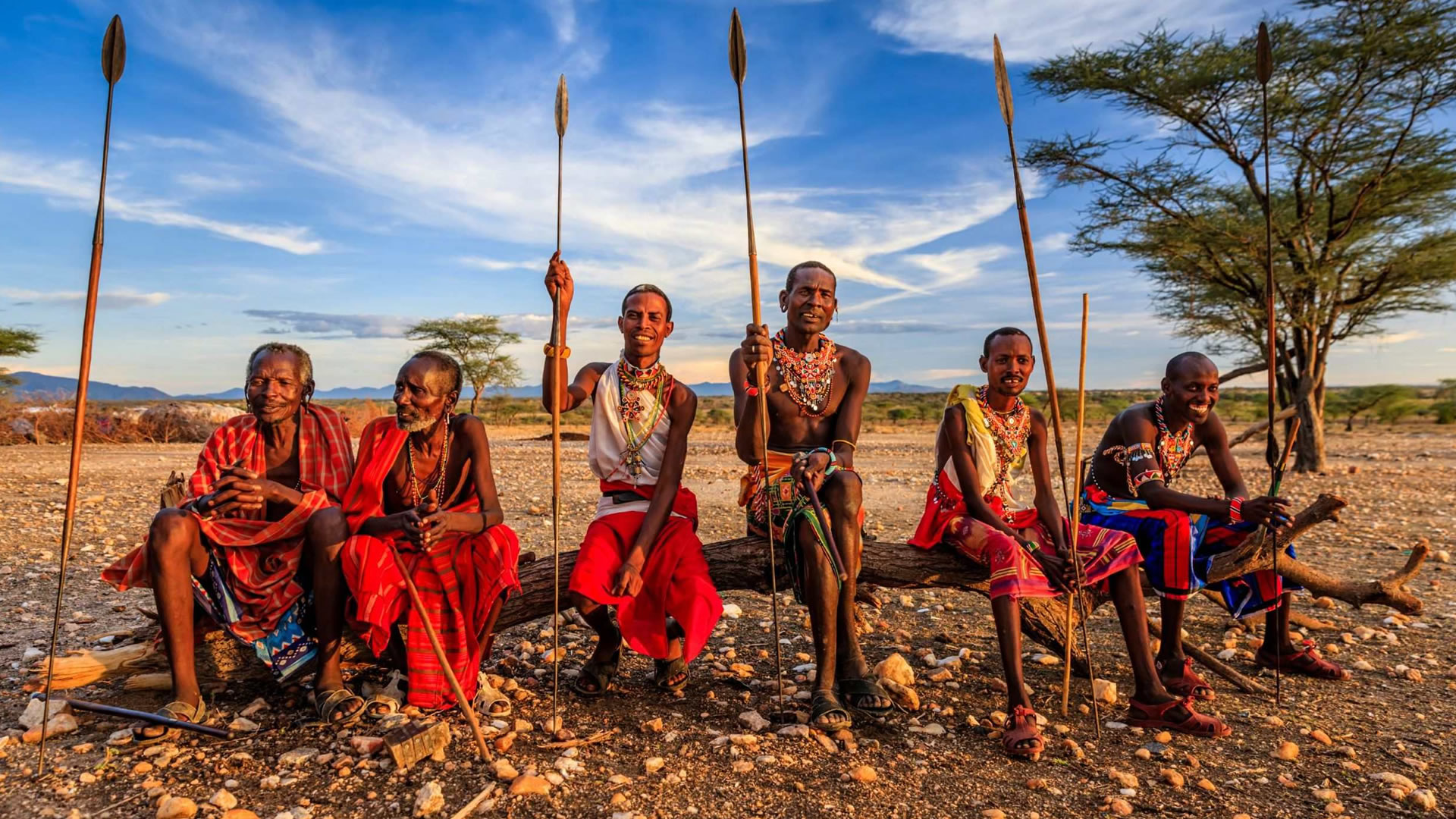
The crater sits inside the Ngorongoro Conservation Area, a UNESCO World Heritage Site between Lake Manyara and the Serengeti. The crater itself is kept for wildlife; the highlands around it are shared by wildlife and Maasai herders with their cattle, goats and donkeys.
Oldupai Gorge is where Louis and Mary Leakey excavated some of the most important early human fossils. A stop here breaks the drive between the crater and the Serengeti.
The crater is about three hours' drive from Arusha. The road climbs the wall of the Great Rift Valley and then rises through the crater forest to the rim. On our longer journeys you come from Tarangire, stopping at a Maasai village and for lunch in Mto wa Mbu on the way.
The rim is high, so evenings are cool: bring a warm layer. Crater fees are included on our safaris.
Rainy season
Showers are likely. The animals stay on the crater floor all year, because grass and water never run out.
Rainy season: January, February, March, April, May, November, December
A private five-day safari from Arusha to the Ngorongoro Crater and Tarangire National Park, staying in mid-range lodges and tented camps.
About three hours, over the Rift Valley wall and up through the crater forest.
No. Grass and water are there all year, so most of the animals stay on the crater floor.
In the evening, yes. The rim is at about 2,300 metres, so bring a warm layer.
Usually two nights on the rim: arrive in the evening, spend the next day on the crater floor.
Tell us when you would like to travel and what matters to you. We will suggest how long to give Ngorongoro Crater and what to pair it with.