Kilimanjaro: 7-Day Lemosho Route
A seven-day Kilimanjaro climb on the remote Lemosho route, crossing the Shira Plateau and descending by the Mweka route.

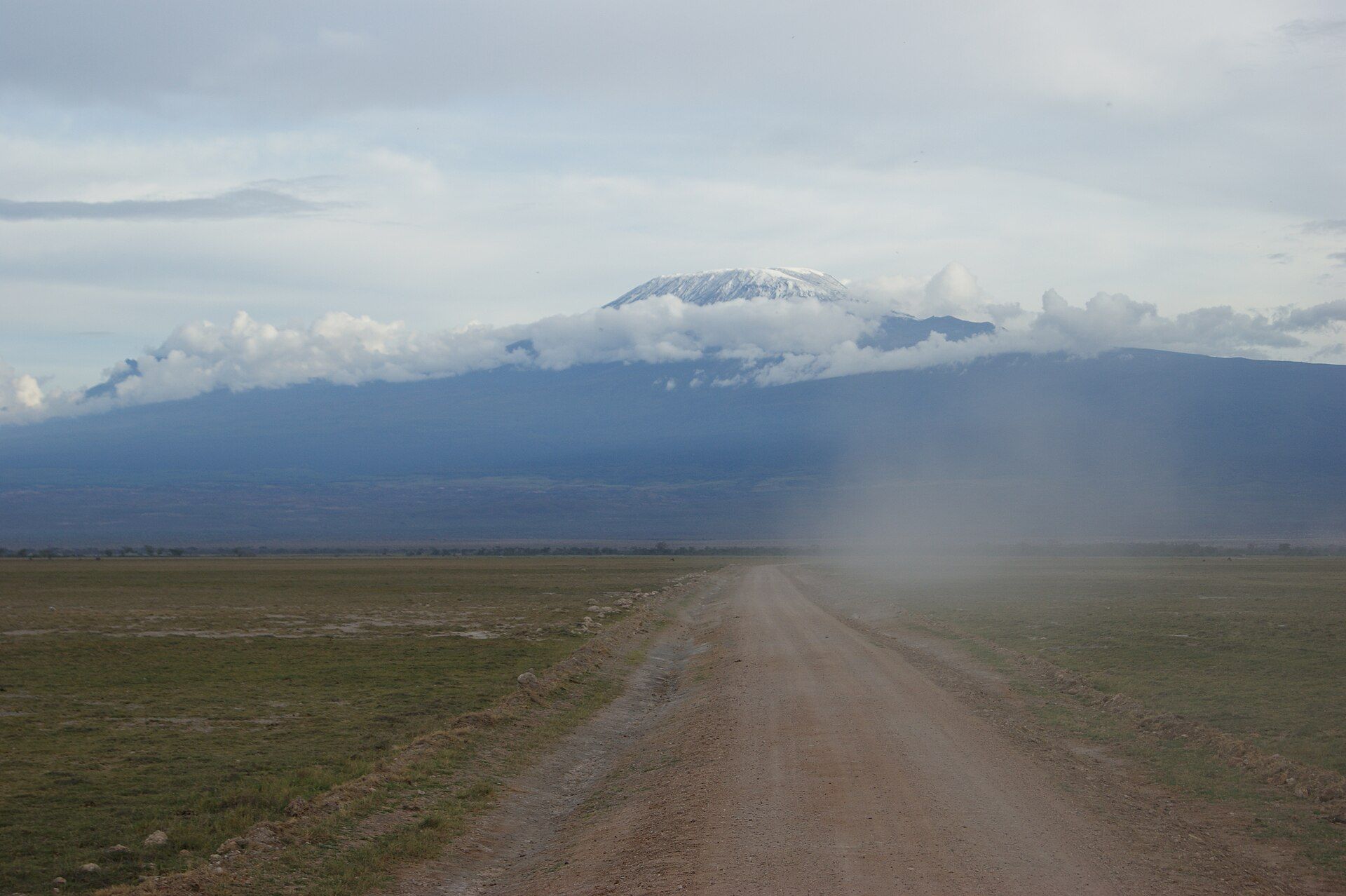
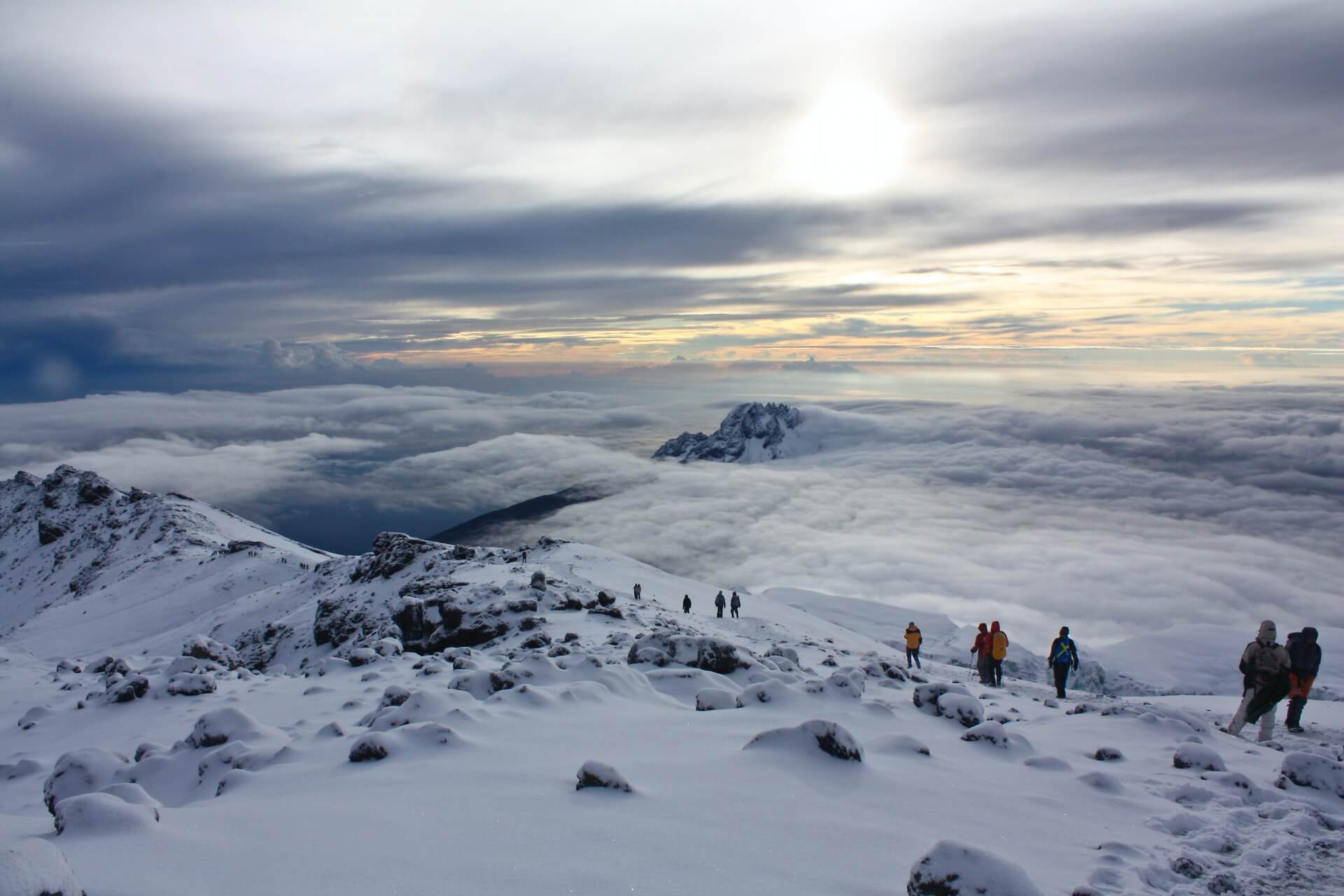
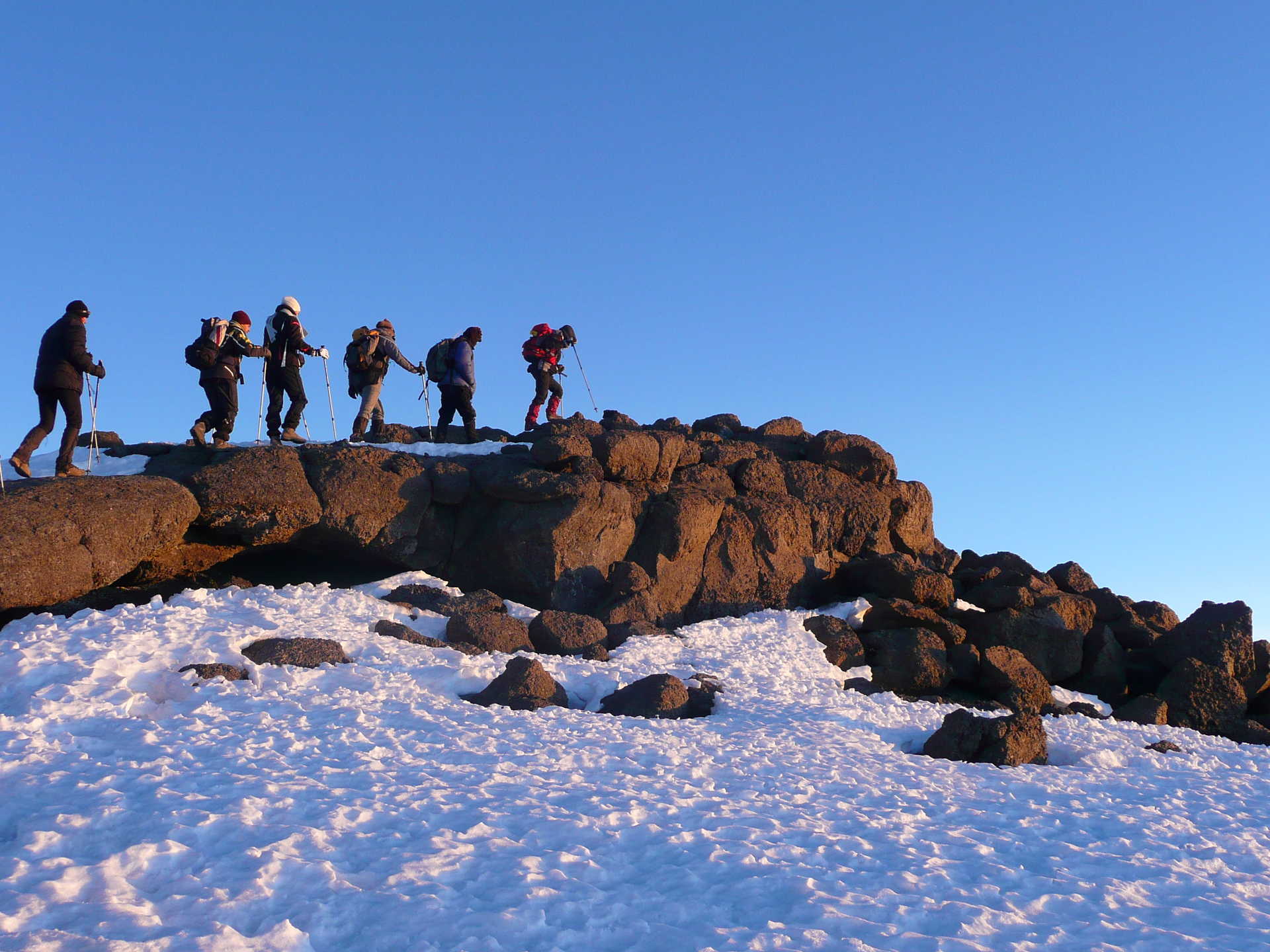
Africa's highest mountain at 5,895 metres, climbed from forest through moorland and alpine desert to the snow at Uhuru Peak.
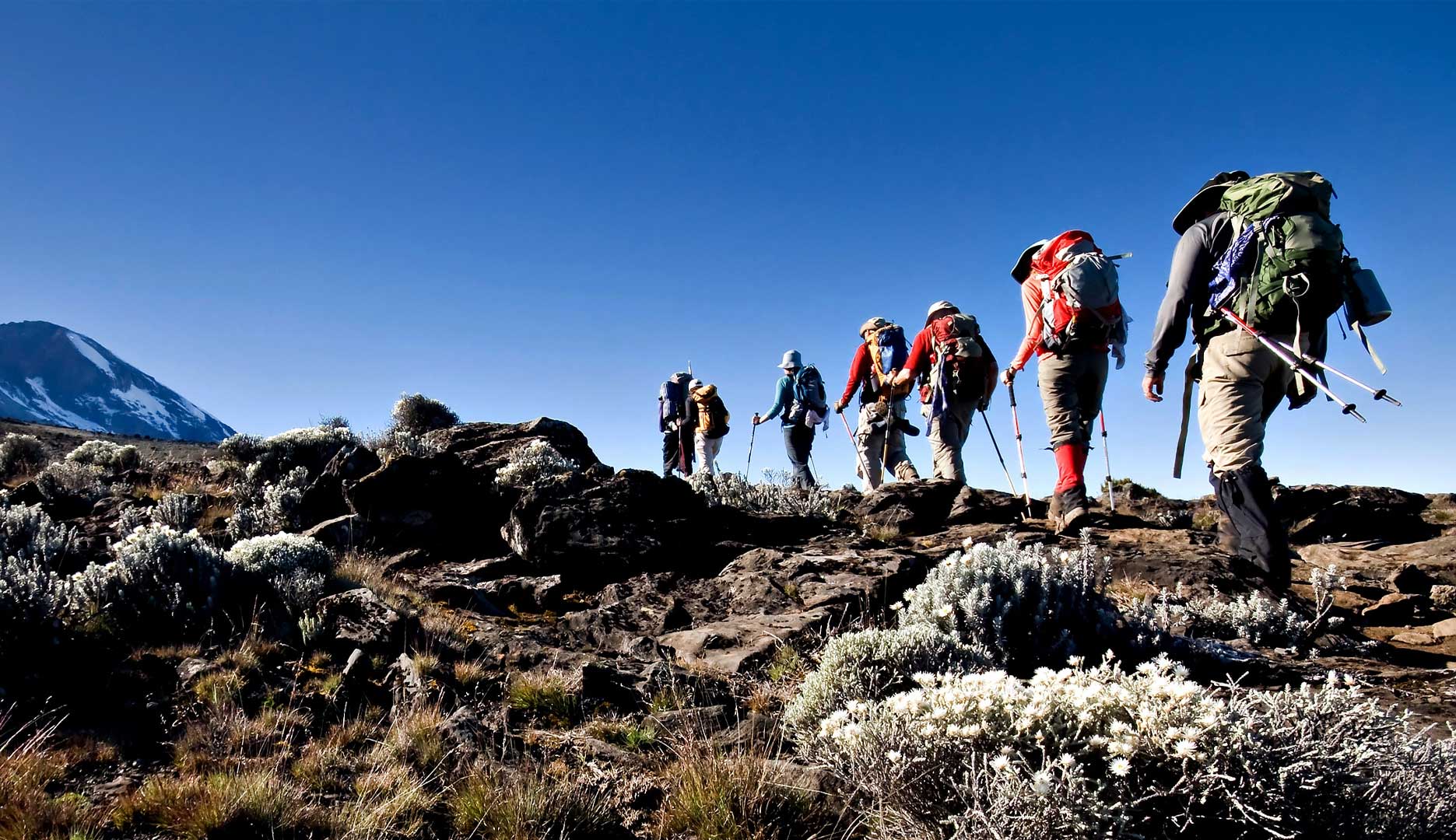
Kilimanjaro rises alone from the plains to 5,895 metres at Uhuru Peak. Climbing it is like walking from the tropics to the Arctic in a week.
Every climb starts from Moshi, at the foot of the mountain.
| Route | Starts at | From Moshi | Days we suggest |
|---|---|---|---|
| Lemosho | Londorossi Gate (2,100 m) | about 2 hours, then a forest track | 7 or 8 |
| Machame | Machame Gate (1,828 m) | about 45 minutes | 7 |
| Marangu | Marangu Gate | about 50 minutes | 6, with an extra acclimatisation day |
| Rongai | Rongai start point (1,996 m) | about 45 minutes to Marangu Gate, then about 2½ hours | 7 |
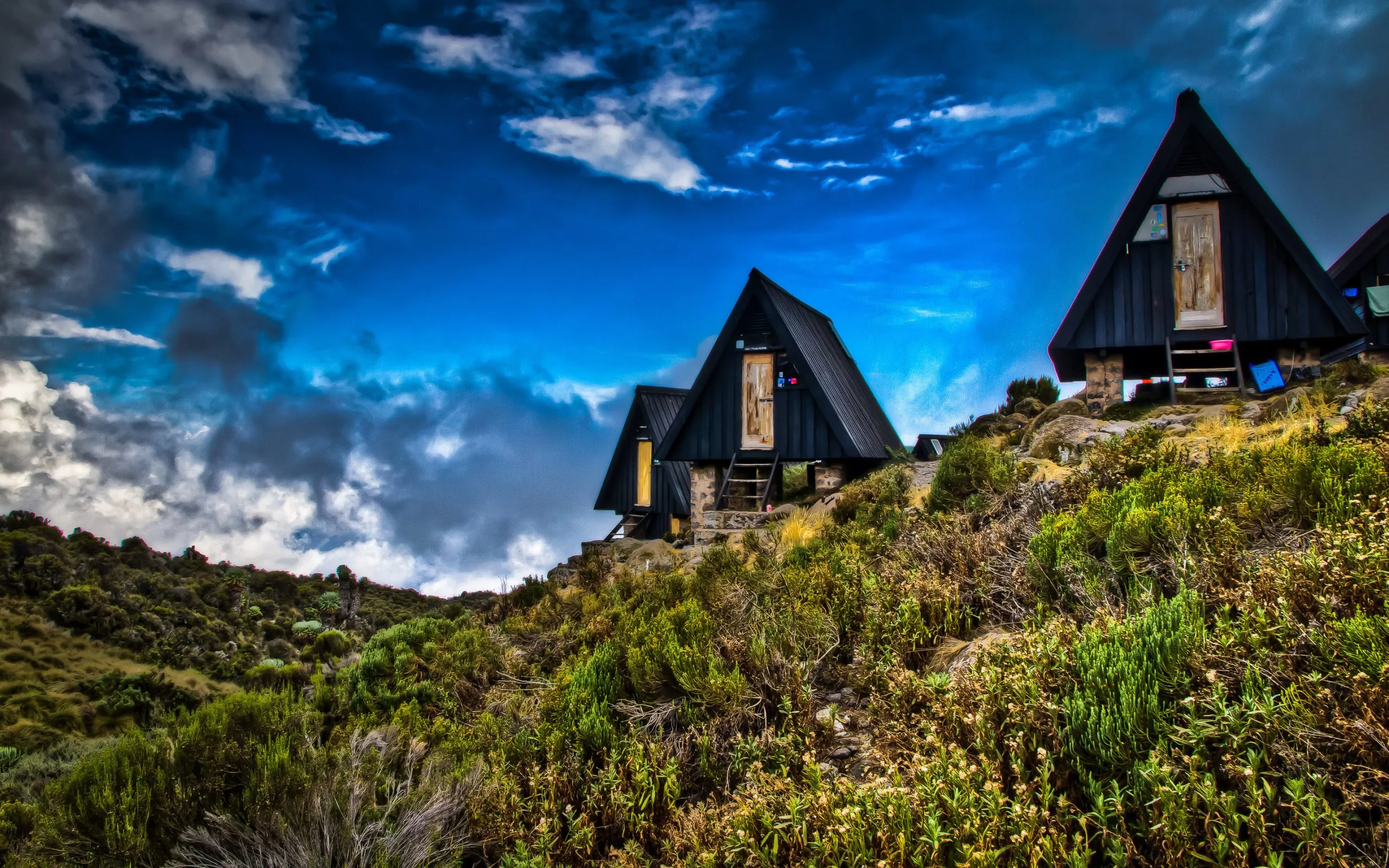
Marangu is the only route where you sleep in huts all the way. Every route is helped by an extra day: the main cause of altitude sickness is going too high too fast, and it affects people regardless of age or fitness.
The drier months, January to early March and June to October, give the clearest skies. We avoid April and November, the main rainy months, when the trails are more dangerous.
At the gate on the way down, climbers who reached Stella Point or Gillman's Point on the crater rim receive a green certificate, and those who reached Uhuru Peak a gold one.
Dry season (early year)
Clear skies and stable weather; early March can turn wet.
Dry season (early year): January, February, March
Dry season (mid-year)
The main climbing season: cold nights, clear mornings.
Dry season (mid-year): June, July, August, September, October
A seven-day Kilimanjaro climb on the remote Lemosho route, crossing the Shira Plateau and descending by the Mweka route.
Between five and nine days, depending on the route. The more days you spend on the mountain, the better your body adjusts and the better your chance of reaching Uhuru Peak. Five-day climbs have the lowest success rate.
The driest months, January to early March and June to October, give the clearest skies and the most comfortable walking. You can climb all year, but we avoid April and November, the main rainy months, when the trails are more dangerous.
Yes: green for Stella Point or Gillman's Point on the crater rim, gold for Uhuru Peak.
Yes, on the Marangu route. The other routes camp.
Tell us when you would like to travel and what matters to you. We will suggest how long to give Mount Kilimanjaro and what to pair it with.